
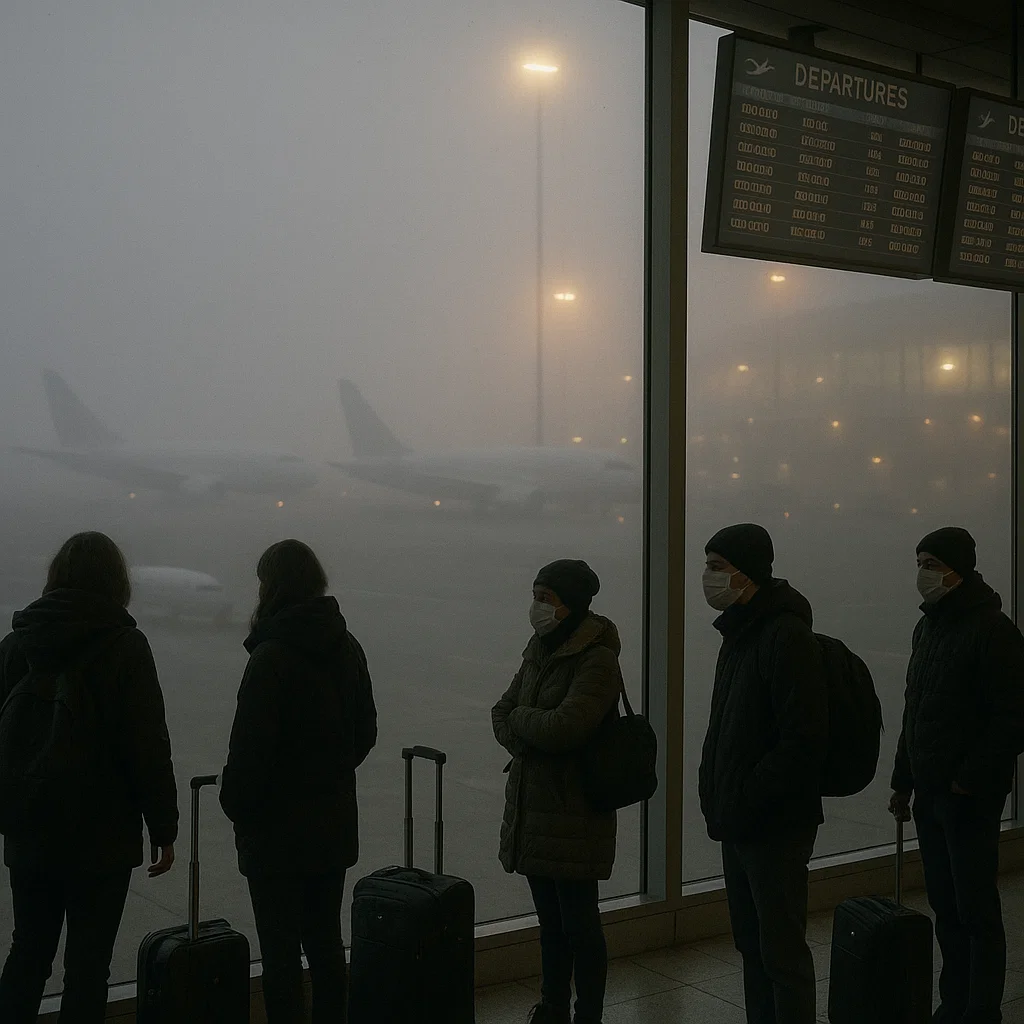
Severe air pollution and dense smog disrupted flight operations across Delhi and the National Capital Region (NCR) on Monday, leading to widespread cancellations and delays at the national capital’s airport. According to official sources, 61 flights were cancelled, while over 400 flights faced delays due to low visibility conditions caused by a thick blanket of smog. At least five flights bound for Delhi were diverted to other destinations as visibility dropped sharply during the early morning hours. Data from the Central Pollution Control Board (CPCB) showed the Air Quality Index (AQI) in Delhi standing at a ‘severe’ level of 454 at 7:05 AM, as recorded on the Sameer app. The AQI had touched 461 on Sunday, marking the second-worst December air quality day on record in the capital. The deteriorating conditions also impacted high-profile travel plans. Argentine football legend Lionel Messi’s arrival in Delhi, scheduled as part of the final leg of his G.O.A.T Tour, was delayed after his flight from Mumbai was deferred due to dense fog, according to media reports. Earlier in the day, Delhi Airport issued a travel advisory, cautioning passengers about possible disruptions in flight schedules. “Due to dense fog, flight operations may experience disruptions. We are working closely with all stakeholders to minimise inconvenience to passengers. For the latest flight updates, passengers are advised to contact their respective airlines. We sincerely regret any inconvenience caused,” the airport authorities said in a statement posted on social media platform X. Authorities continue to monitor the situation as pollution levels remain critical, urging passengers to stay updated with airline advisories.
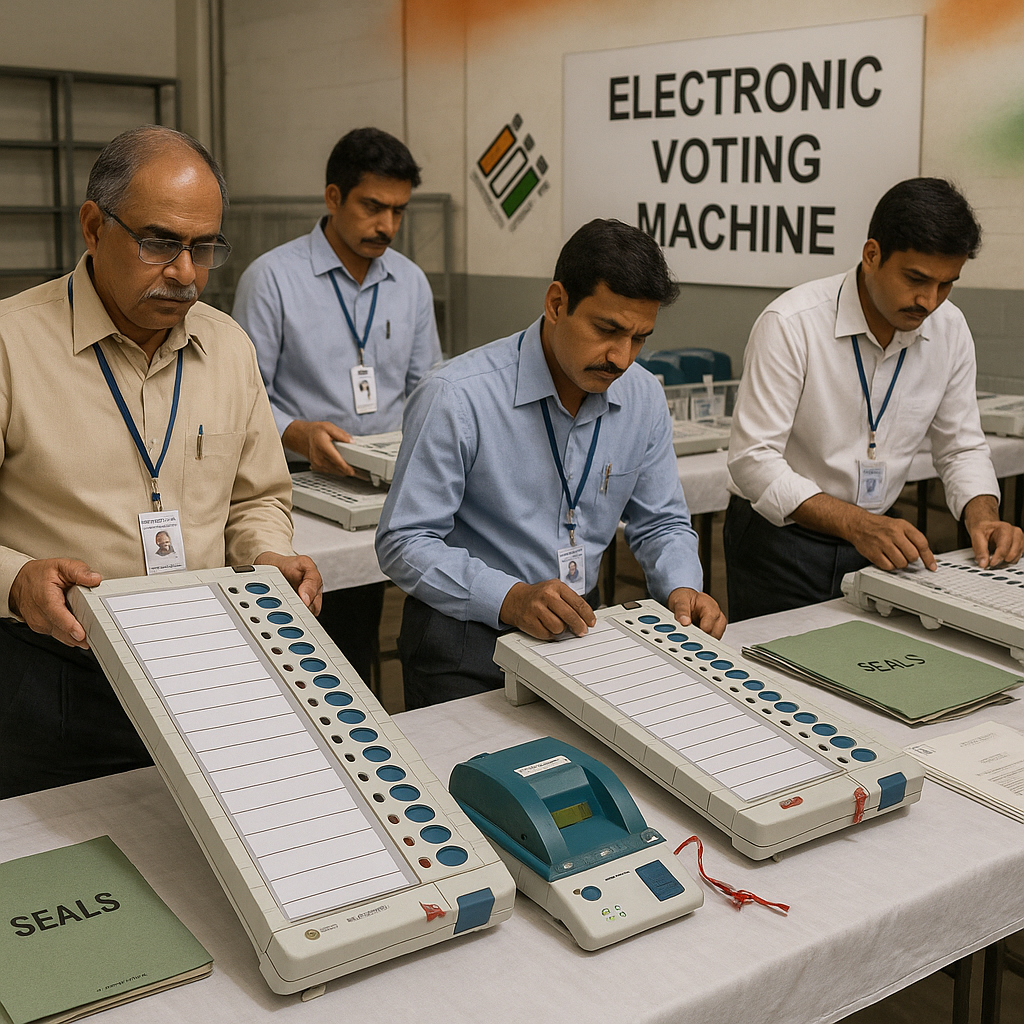
EC Appoints Five Nodal Officers for EVM First-Level Checking Ahead of 2026 Bengal Assembly Polls
The Election Commission of India (ECI) has appointed five nodal officers to oversee the First-Level Checking (FLC) of Electronic Voting Machines (EVMs) in preparation for the 2026 West Bengal Assembly elections. According to an official statement issued by the Commission, all five officers have been deputed from states outside West Bengal, a move aimed at ensuring neutrality, transparency, and procedural integrity during the critical pre-poll process. The First-Level Checking of EVMs is a mandatory technical verification exercise conducted to ensure that voting machines are fully functional, tamper-proof, and compliant with election standards before they are deployed for polling. In addition to the appointments, the Election Commission has also introduced updated operational rules, under which the image of each contesting candidate will be displayed on the EVM, enhancing voter clarity and transparency during the voting process. The Commission stated that these measures are part of its broader efforts to strengthen public confidence in the electoral system and ensure smooth conduct of elections in the state. With the West Bengal Assembly elections scheduled for next year, the early deployment of external nodal officers reflects the Commission’s focus on preparedness and adherence to established electoral protocols.
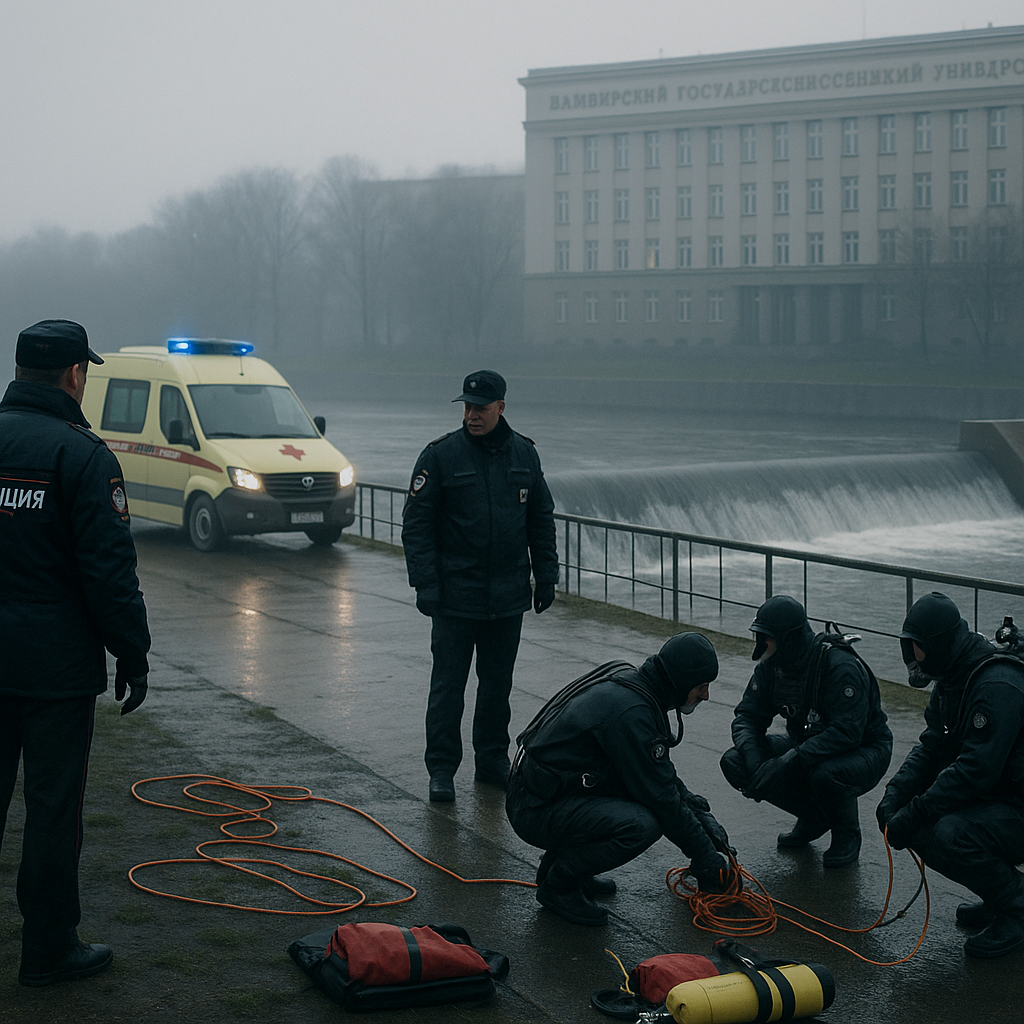
Indian Student Ajit Singh Chaudhary Found Dead in Russia Dam, 19 Days After Going Missing
22-year-old Indian student Ajit Singh Chaudhary from Alwar, Rajasthan, studying MBBS in Russia’s Bashkir State Medical University, was found dead in a dam near the White River — 19 days after he went missing. Ufa (Russia) | November 7, 2025 In a tragic development, the body of 22-year-old Indian student Ajit Singh Chaudhary, who had been missing for nearly three weeks, was found in a dam near the White River in Ufa, Russia. Chaudhary hailed from Alwar, Rajasthan, and was pursuing an MBBS degree at Bashkir State Medical University since 2023. Timeline of Disappearance Chaudhary reportedly went missing on October 19, after he left his hostel around 11 a.m. to buy milk and never returned. His mobile phone, shoes, and jacket were later found on the riverbank, sparking serious concerns among family and friends. The Alwar Saras Dairy chairman, Nitin Sangwan, confirmed that Ajit’s body was discovered in a dam adjacent to the White River after an extensive search operation by local authorities. Family and Official Response Following his disappearance, Chaudhary’s family had repeatedly reached out to the Ministry of External Affairs (MEA) and Union Minister Bhupendra Yadav, appealing for assistance in locating him.His uncle, Bhoom Singh, told media outlets that the family received a call from Russian police on October 20, but details remained unclear for days. They also alleged that college authorities were unresponsive despite multiple follow-ups. Efforts for Repatriation The All India Medical Students’ Association (AIMSA) has written to External Affairs Minister Dr S Jaishankar and Rajasthan Chief Minister Bhajan Lal Sharma, urging swift repatriation of Chaudhary’s mortal remains to India. The Indian Embassy in Moscow is coordinating with Russian authorities to complete necessary formalities. Background Ajit Singh Chaudhary had spoken with his family just an hour before he went missing. He was reportedly scheduled to return to India in November.The exact cause of death is yet to be confirmed, and Russian police have initiated a detailed investigation. Public Concern Over Safety of Indian Students Abroad The incident has raised renewed concerns about the safety and well-being of Indian students studying overseas, particularly in Russia, where thousands of Indian nationals pursue medical degrees each year.
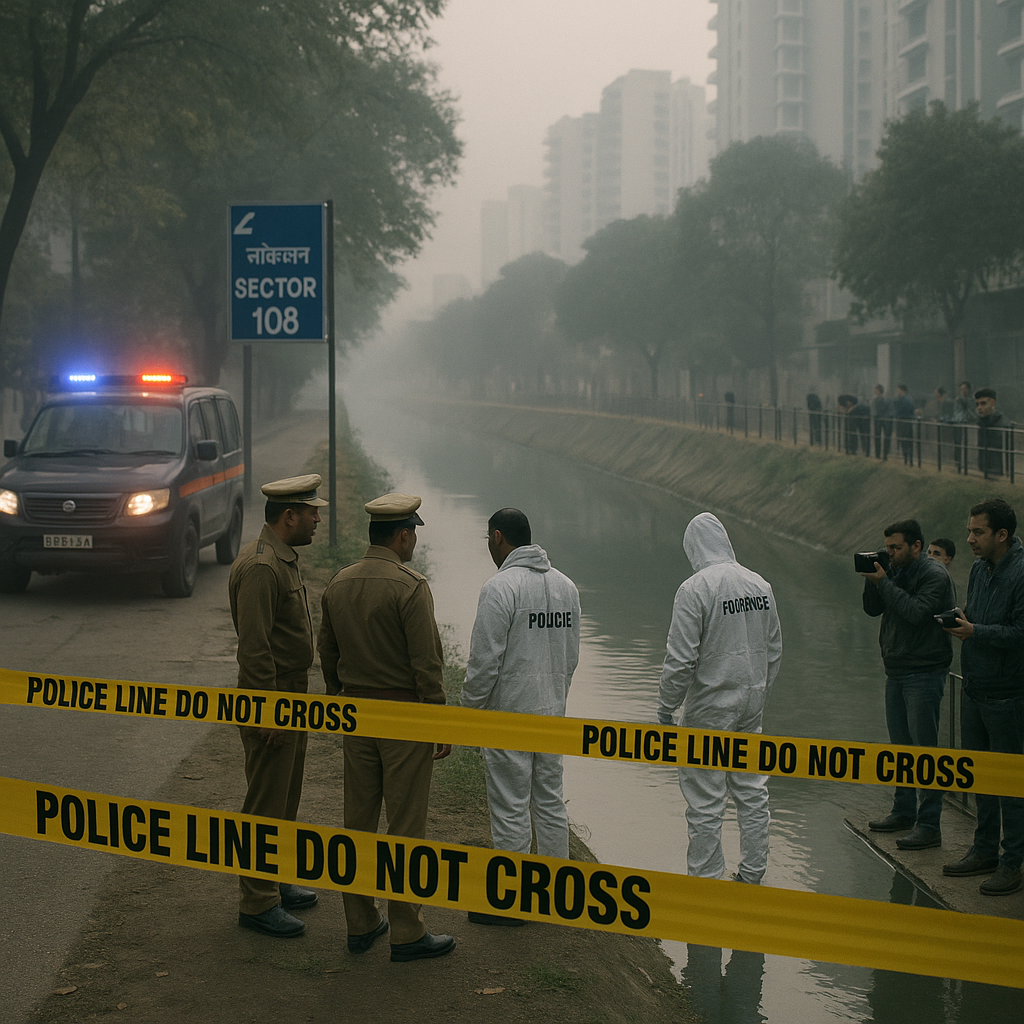
Noida Shock: Headless, Naked Body of Woman Found Floating in Drain in Sector 108
A gruesome discovery in Noida’s Sector 108 — police found a headless, naked woman’s body floating in a drain. Investigation underway to identify the victim and track those responsible. Noida (Uttar Pradesh), November 6, 2025 A horrifying incident has come to light in Noida’s upscale Sector 108, where police recovered a headless and naked body of a woman floating in a drain early Thursday morning. According to officials from Sector 39 Police Station, the victim’s head and palms had been severed, and her identity remains unknown. The body was spotted by locals who immediately alerted the authorities. Police Investigation Underway Police suspect the woman may have been murdered elsewhere, and her mutilated body dumped in Sector 108 to destroy evidence.Upon receiving the information, a police team reached the spot and sent the body for autopsy to determine the exact cause and time of death. In an official statement, police said: In an official statement, police said: “Today on 06.11.2025, information was received about the body of an unidentified woman being found in a drain near Sector-82 Noida cut. Acting immediately, local police reached the spot and took out the body from the drain. Efforts are underway to identify the woman. Other legal action is also being taken.” CCTV Footage and Forensic Analysis A special investigation team (SIT) has been formed to probe the case. Officers confirmed that CCTV footage from nearby areas is being scanned to trace any suspects or vehicles involved in the dumping of the body.Forensic experts have also been called in to assist with evidence collection from the site. Public Reaction The gruesome discovery has shocked residents of the posh locality. Locals have demanded enhanced night patrolling and surveillance cameras along the sector’s drain stretch to prevent such incidents in the future. Conclusion As of now, the victim’s identity and motive behind the crime remain unclear. Police have appealed to the public to come forward with any information that could help in the investigation.

Rajnath Singh – India Must Stay Ready for War-like Situations
Defence minister Rajnath Singh on Monday said India must remain prepared for a “war-like situation” at all times, citing the four-day conflict with Pakistan in May as a reminder that “anything can happen anytime” along the borders. Speaking at the Society of Indian Defence Manufacturers (SIDM) Annual Session 2025, Singh said Operation Sindoor (May 7–10) should serve as a case study for strengthening national security preparedness. WHAT IS THE MATTER India must remain ready for a “war-like situation,” as the four-day military conflict with Pakistan in May showed anything can happen anytime along the frontiers, Defence Minister Rajnath Singh said on Monday. Addressing an event, Singh said that though India gave a “firm response” to Pakistan during Operation Sindoor, it should serve as a case study to learn and chart the future course of action in dealing with national security challenges. The defence minister said the effective use of indigenously manufactured military equipment during the May 7-10 operation bolstered India’s reputation both regionally and internationally. “Although we gave a firm response with a firm resolve and our forces are fully prepared to defend the country’s borders, we must continue to introspect,” he said. “Operation Sindoor should serve as a case study from which we can learn and chart our future course. This incident has once again shown us that anything can happen at our borders, anywhere, at any time,” the minister said. “We need to be ready for a war-like situation, and our preparedness must be based on our own foundation,” he said. The defence minister emphasised that the present-day global uncertainties call for an in-depth assessment of every domain, with ‘indigenisation’ being the only way to deal with the challenges.

Cyclone Montha Makes Landfall in Andhra Pradesh
Indian authorities have shut schools and evacuated tens of thousands of people from low-lying coastal areas as a precautionary measure to brace for Montha’s impact. The weather office issued so-called red alerts — the highest level of weather warnings — for 19 districts in Andhra Pradesh, forecasting extremely heavy rains. The neighboring states of Telangana, Odisha and Chhattisgarh are also expected to receive moderate to heavy showers in the next few hours. Why It Matters Cyclone Montha started making landfall along India’s eastern coast, the weather office said late Tuesday, with the storm due to bring torrential rains and strong winds. Montha, swirling over the Bay of Bengal, intensified into a severe cyclonic storm that threatens flooding of low-lying areas in southern Andhra Pradesh and neighboring states through the night. “Latest observations indicate that the landfall process has commenced,” the Indian Meteorological Department said in its latest bulletin. The process was expected to continue for the next three to four hours. The storm was hovered around 100 kilometers (62 miles) south of the port city of Kakinada in southern Andhra Pradesh state as it makes landfall. The weather system is expected to intensify, bringing winds of 90-110 kph (55-68 mph) as the cyclone pushes toward the country’s eastern coastline.

China, India Renew Border Talks to Keep Peace in Himalayas
China and India have resumed “active” communication on managing their long, disputed Himalayan border, both governments said on Wednesday, in the latest sign of easing tensions between the two nuclear-armed neighbors. The talks, held on Saturday on the Indian side of the border meeting point, marked another step forward in stabilizing relations that were severely strained after a deadly 2020 clash in the Galwan Valley, where 20 Indian and four Chinese soldiers were killed. Since the two countries signed a de-escalation pact in 2024, New Delhi and Beijing have gradually restored bilateral exchanges including resuming direct flights, reopening trade channels, and encouraging investment. Why It Matters The Himalayan frontier remains one of the world’s most militarized zones, stretching over 3,400 km of disputed territory. Any miscalculation risks triggering a broader confrontation between Asia’s two largest armies. Efforts to restore calm are also crucial to maintaining economic momentum. India and China together account for nearly a third of global growth, and renewed border stability could pave the way for deeper regional cooperation amid shifting global trade dynamics and rising tariff pressures. India’s foreign ministry said both sides had agreed to continue using “existing mechanisms” including regular diplomatic and military communication channels to resolve any “ground issues.” China’s defence ministry echoed the sentiment, calling the talks “constructive” and emphasizing the need to maintain “stability and dialogue.” Prime Minister Narendra Modi and President Xi Jinping have both sought to project pragmatism since meeting in August at the Shanghai Cooperation Organisation summit in China. The two leaders described their nations as “development partners, not rivals,” signaling a rhetorical shift away from confrontation. Security analysts say the renewed talks reflect a mutual understanding that economic priorities now outweigh border tensions. “Neither side wants conflict when both economies are under pressure,” said former Indian diplomat P.S. Raghavan.

